How Long Can a Dog Hold Their Pee?
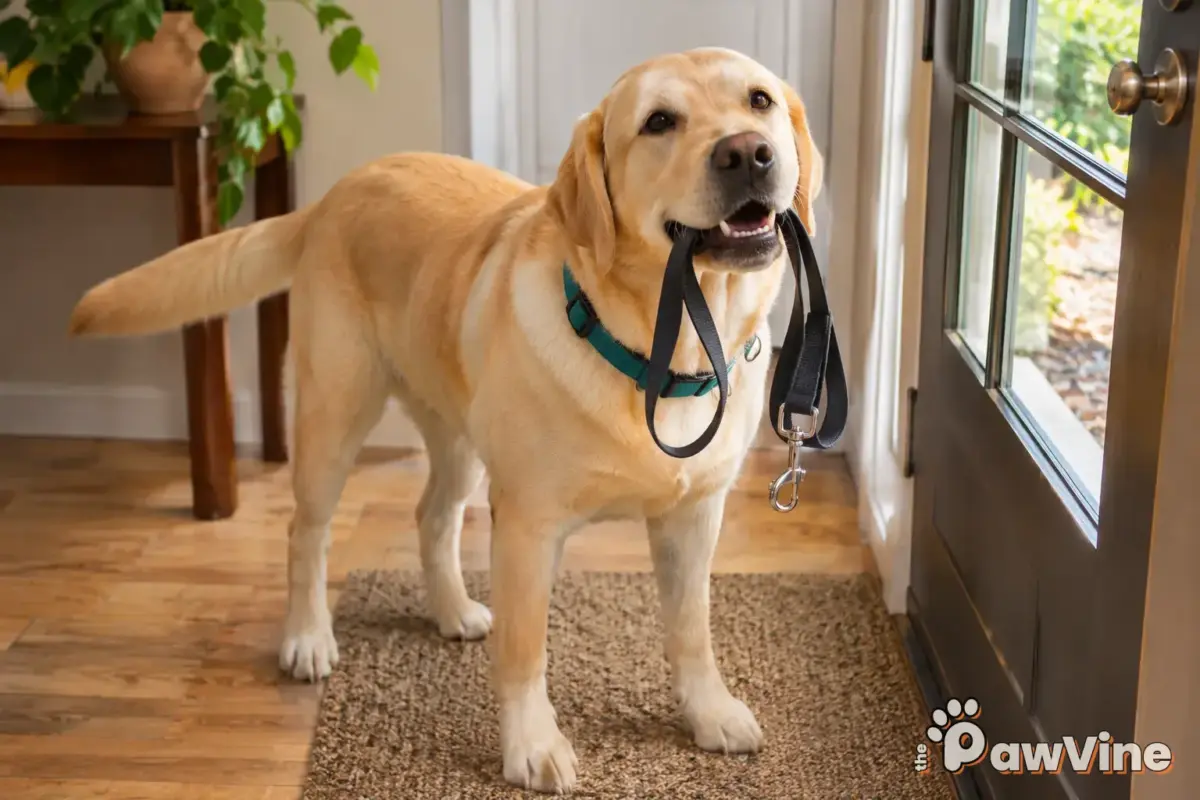
Most healthy adult dogs manage about 6 to 8 hours between bathroom breaks at the very most, and that’s a ceiling, not a target. Puppies manage roughly one hour for every month of age plus one, and senior or sick dogs often need to go every few hours. A good daily rhythm for an adult is three to five bathroom breaks.
Those numbers shift a lot with age, size, health, activity and even the weather. The sections below break it down so you can plan your day around your own dog, not an average one.
The short answer by age
The table gives realistic working limits for a healthy dog. Treat the upper end as the most you’d ask for on a rare long day, not something to do every day.
| Life stage | Realistic time between pee breaks | Notes |
|---|---|---|
| Puppy up to 10 weeks | About 1 hour | Very young puppies can’t hold it for long at all |
| Puppy 2 to 6 months | Age in months plus 1 hour | A 3 month old manages about 4 hours at best |
| Adult dog (1 to 7 years) | 4 to 6 hours is comfortable, 6 to 8 is the upper limit | Active dogs and small breeds go more often |
| Senior dog | Often 2 to 4 hours | Bladder muscles and kidneys change with age |
| Dog with a medical issue | Varies, often much shorter | Kidney disease, diabetes and urinary infections all raise urine output or urgency |
The puppy rule comes from the American Kennel Club, which says puppies can usually hold it for their age in months plus one, in hours, once they’re past about 16 weeks. PetMD’s vet-written guide to stopping puppy accidents uses the same rule and adds that even a fully trained young dog should go out three to five times a day.
How long adult dogs can hold their pee
A healthy adult can usually make it through a normal night of sleep without a break, because the body slows urine production while resting. During the day, it’s a different story.
VCA Animal Hospitals notes that a healthy adult dog can usually hold urine for about 3 to 4 hours when they’re not active. Activity, drinking after a walk, warm weather and excitement all speed things up. So the 8 hour figure you’ll see online is the far end of what a fit adult can manage, and plenty of dogs won’t get there comfortably.
Size matters too.
Small dogs, small bladders. Small and toy breeds have small bladders and tend to need more frequent trips than a Labrador or German Shepherd. A Chihuahua that’s been hard to potty train isn’t always being stubborn. Sometimes the tank is simply small.
How long puppies can hold it
Not long.
Puppies don’t have full bladder control until somewhere around 4 to 6 months old. Before that, you’re working with a tiny bladder and a brain that hasn’t fully connected the signal to the response.
Use the age in months plus one as a ceiling and plan breaks a little sooner. That means:
- 2 months: about every 2 to 3 hours in the day
- 3 months: about every 3 to 4 hours
- 4 months: about every 4 to 5 hours
- 6 months: closer to adult habits, but still with extra breaks
Puppies also need to go right after waking, eating, drinking and play. A printable puppy routine makes this easier to stick to, and pairing each success with rewards that actually motivate them speeds up house training a lot.
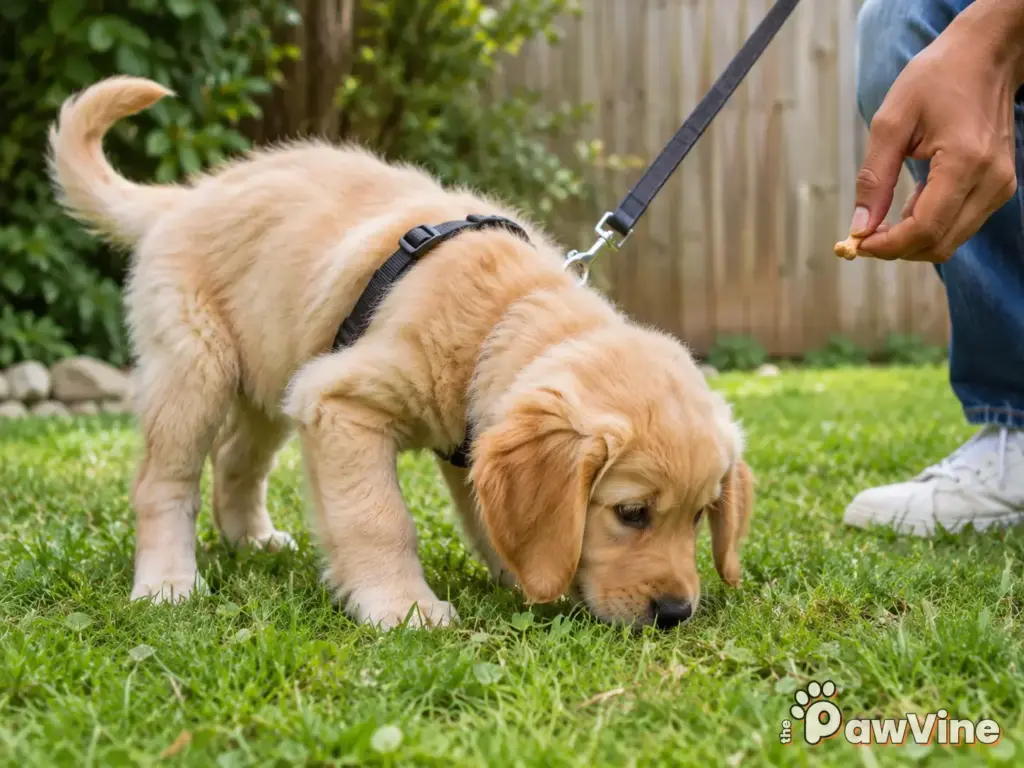
Overnight is the one place puppies often do better than the daytime math suggests, because they’re asleep. Many young puppies still need one night trip, though. If you’re seeing accidents, our guide to a dog peeing in the crate overnight covers how to adjust the schedule.
Senior dogs need more breaks
Age changes the math.
Older dogs often lose some bladder muscle tone, and age-related problems like kidney disease, Cushing’s disease and diabetes make them produce more urine. VCA also points out that age-related cognitive decline can make an older dog forget to go outside and then have an accident shortly after coming back in.
For many seniors, every 3 to 4 hours during the day is kinder than stretching to 6. If your older dog has started leaking while asleep, that’s not a training problem, and it deserves a vet check.
What happens if a dog holds it too long
Occasionally waiting a bit longer than ideal won’t harm a healthy dog. Doing it routinely is another matter. Urine that sits in the bladder gives bacteria more time to multiply, and concentrated urine is linked to crystal and stone formation in dogs that are prone to them.
Regularly overstretching the bladder can also weaken the muscle over time, which may lead to leaking later. Dogs that already have bladder stones or a history of urinary infections usually need more frequent breaks, not fewer.
It’s also uncomfortable.
A dog that’s desperate to go is stressed, restless and more likely to have an accident, which can undo good house training.
Things that change how long your dog can wait
- Age, from tiny puppy to senior
- Body size and bladder size
- How much they drank and when
- Exercise and excitement, which speed things up
- Hot weather, which makes many dogs drink more
- Medications such as diuretics or steroids, which increase urination
- Medical conditions including urinary infections, diabetes and kidney disease
- Diet, since wet food and salty treats raise water intake
Planning around a work day
If you work an 8 or 9 hour day, an adult dog really shouldn’t be left that long without a break. A midday visit from a dog walker, neighbor or friend keeps your dog comfortable and protects their bladder. Our tips on having a puppy while working full time and leaving a puppy alone for hours go deeper on this.
For tiny dogs, apartment dogs or seniors who can’t wait, an indoor potty area is a reasonable backup. Some owners of leaky seniors also use dog diapers at night, alongside a vet plan.
Common mistakes owners make
- Treating 8 hours as a daily target instead of an upper limit
- Expecting a young puppy to hold it all day in a crate
- Skipping the potty break right after meals, naps or play
- Cutting water to stretch the time between breaks, which can dehydrate a dog and make urine more concentrated
- Punishing accidents, which teaches dogs to hide when they go rather than to go outside
- Assuming a newly leaky or urgent dog is being naughty when a medical cause is far more likely
When to call the vet
Call your vet if your dog suddenly needs to go much more often, starts having accidents after being reliably trained, or is drinking a lot more than usual. Those changes can point to a urinary infection, diabetes, kidney disease or Cushing’s disease.
Get help the same day if your dog is straining with little or nothing coming out, has blood in the urine, or seems to be in pain. A dog that can’t pee at all is an emergency, especially a male, because a blockage can become life-threatening within hours.
Frequently asked questions
Can a dog hold its pee for 10 hours?
Some adult dogs can physically do it, especially overnight while asleep, but it isn’t a good idea during the day. Routinely asking a dog to hold it that long raises the risk of discomfort, accidents and urinary problems. Aim for a break every 4 to 6 hours.
How long can a dog hold its pee overnight?
Most healthy adult dogs sleep through a normal night without needing to go, because urine production slows during rest. Puppies and seniors often need one trip out during the night.
How many times a day should a dog pee?
Most adult dogs do well with three to five outdoor breaks a day. Puppies, seniors and dogs on certain medicines need more. If you’re curious about the other end, see how long dogs can hold their poop.
Why is my dog holding their pee for a long time?
Some dogs refuse to go in rain, on a new surface or in an unfamiliar place, while others are anxious. If your dog won’t go outdoors at all, our guide on why a dog won’t go to the bathroom outside can help. If your dog seems to want to go but can’t, see a vet.
Do small dogs need to pee more often than big dogs?
Generally yes. Smaller bladders fill faster, so toy and small breeds often need more frequent breaks than large breeds of the same age.
This article is for general information and isn’t a substitute for advice from your vet. Last reviewed November 2026.